
/ Slicktify
A portfolio platform versus multiple portals is not a minor software preference. It determines whether your team spends the week operating the portfolio or assembling a picture of what happened across it. When occupancy is slipping at one location, a critical work order is aging at another, and revenue is behind plan at a third, delayed visibility becomes an operating risk.
Multiple portals can appear manageable when a portfolio is small or responsibilities are isolated. One system tracks leases, another handles maintenance, another holds financial reports, and messages fill the gaps. The strain shows up as locations, users, asset types, and reporting demands increase. Leaders are left asking for updates that should already be visible.
The real difference is operational context
A portal is usually built around a function. It may be useful for a specific task, team, or asset category, but its view is narrow by design. Users log in to complete work, retrieve information, or respond to an issue within that system.
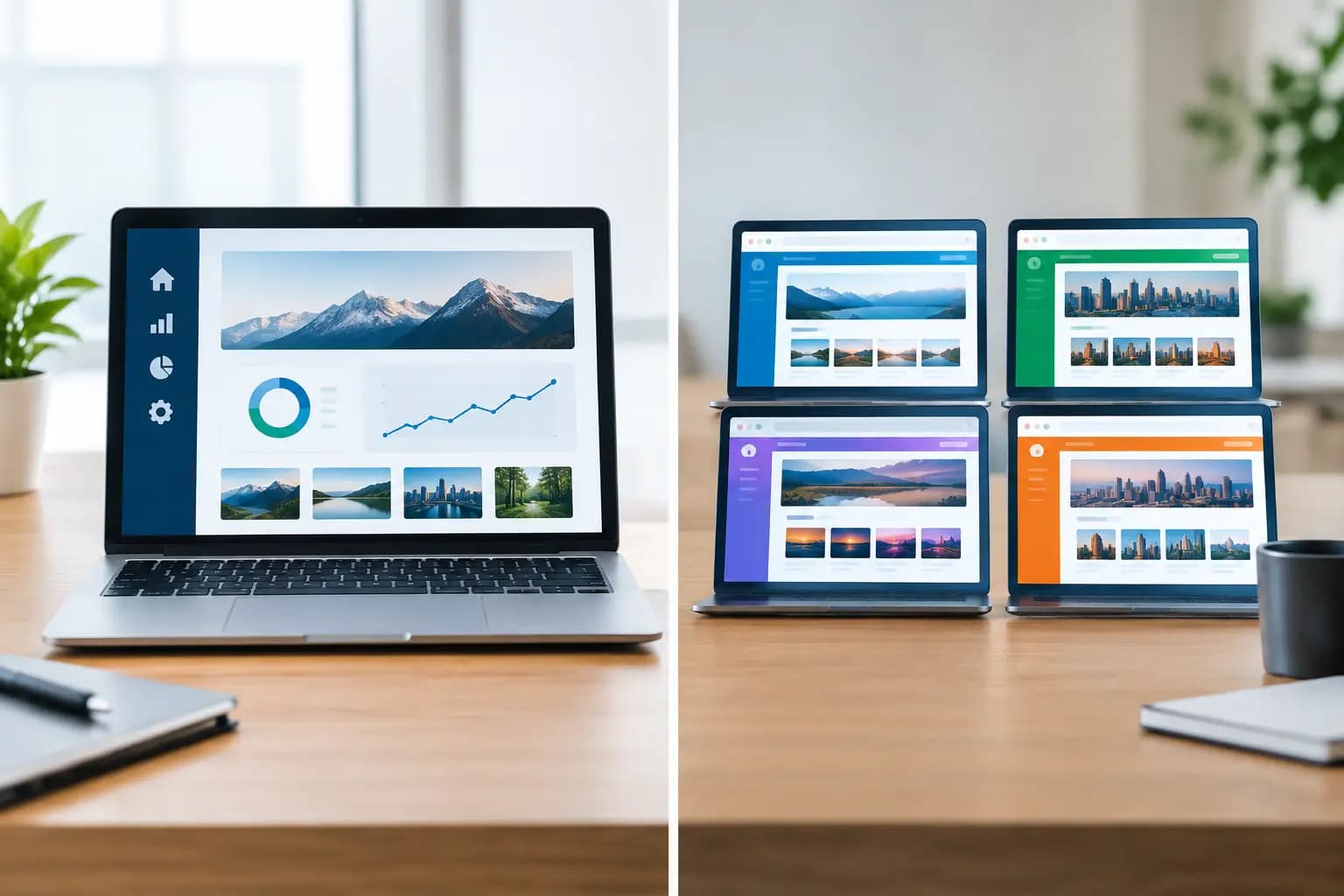
A portfolio platform is built around the operating picture. It brings property, asset, occupancy, revenue, task, alert, and exception data into one structured environment so teams can see relationships between them. Instead of reviewing isolated status reports, an operator can assess portfolio health, identify where performance is changing, and direct attention where it is needed.
That distinction matters because senior decisions rarely live inside one function. A vacancy problem may involve delayed turns, unresolved maintenance, incomplete leasing follow-up, capital constraints, or a local staffing gap. Separate portals preserve each piece of the story. A centralized platform makes the story easier to see.
Why multiple portals create hidden operating costs
The direct subscription cost of several tools is easy to identify. The more expensive cost is the manual work required to connect them. A regional manager exports one report, checks another portal for work order status, asks a site manager for an update, and then rebuilds the results in a spreadsheet for leadership.
That process does not just take time. It introduces timing gaps and judgment calls. By the time a weekly report is compiled, the issue may have changed. Different users may also work from different definitions of occupancy, outstanding work, revenue status, or asset condition. The discussion shifts from action to reconciling numbers.
Fragmentation commonly creates four forms of drag:
- Repeated data entry and status updates across systems
- Spreadsheet work used to create cross-portfolio reporting
- Inbox-driven follow-up to find ownership and next steps
- Delayed escalation because exceptions are discovered after a review cycle
None of these problems is dramatic on its own. Together, they turn experienced operators into information couriers. The portfolio may be performing adequately, yet the management process remains slow, reactive, and difficult to scale.
Portfolio platform versus multiple portals: where each fits
Multiple portals are not automatically the wrong choice. A single-property owner with straightforward operations may only need a few focused tools. A specialized system may also remain necessary for a regulated function, a particular accounting workflow, or equipment that requires dedicated monitoring.
The question is whether those systems leave a gap at the management layer. If leaders still need to manually assemble operational reporting, chase exceptions by email, or rely on a spreadsheet to understand overall performance, the organization does not have a true command center.
A portfolio platform becomes more valuable when decisions cross locations, departments, or asset types. That includes a hospitality group comparing property readiness, a restaurant operator tracking recurring maintenance issues, an investor reviewing performance across holdings, or a commercial owner monitoring occupancy and capital needs across a mixed portfolio.
The goal is not necessarily to remove every specialized system on day one. It is to establish a shared system of record for the information that must be seen, managed, and acted on across the business.
What centralized visibility changes in practice
Centralization changes the rhythm of operations. Rather than waiting for a monthly packet, leaders can review current conditions and focus conversations on material changes. Site teams have clearer ownership because tasks, alerts, and operational exceptions are visible in the same environment as the assets they affect.
Consider a multi-location operator preparing for a leadership review. In a portal-heavy environment, the team might spend days collecting rent status, occupancy figures, open work orders, vendor updates, and location notes. The review is accurate only to the point when the files were pulled.
With a centralized operating layer, the discussion can begin with current priorities: which locations have unresolved exceptions, where workload is accumulating, what performance metrics need intervention, and who owns each next step. Reporting becomes a management tool instead of an administrative event.
This also improves accountability without adding unnecessary oversight. People do not need more status meetings when the operating facts are clear. They need a reliable view of commitments, deadlines, risks, and performance across the areas they own.
Evaluate the platform by the questions it answers
Buying another dashboard is not the objective. The useful test is whether the platform can answer the questions your team repeatedly asks without creating another reporting layer.
Can an executive see portfolio health across assets and business units? Can an operations leader identify overdue work and recurring exceptions by location? Can a property manager understand the relationship between occupancy, active issues, and upcoming priorities? Can each team work from the same current information without maintaining side spreadsheets?
The answers should be available at the appropriate level of detail. Executives need a concise view of performance and risk. Regional leaders need the ability to compare locations and direct resources. Site-level users need clear tasks, alerts, and records to execute work properly. A platform should support each role from the same underlying operating data, not force every role into a separate version of the truth.
Slicktify is designed for this management layer, giving distributed operators one intelligent command center for assets, properties, work, exceptions, reporting, and portfolio-level insight. That matters for organizations whose operations extend beyond a single property type or a single team.
Migration should be disciplined, not disruptive
Teams often delay consolidation because they assume it requires a large, all-at-once replacement project. In many cases, a better approach is to start with the information that creates the most manual reporting and the exceptions that most often get buried.
Define the few metrics and workflows that leaders need to manage consistently across the portfolio. Standardize basic location, asset, and ownership records. Then establish clear rules for who updates operational data, who resolves alerts, and when an issue requires escalation.
A successful rollout is less about moving every historical file and more about creating dependable operating habits. If the platform is not current, trusted, and used in regular management reviews, it will become another portal. If it becomes the place where teams see priorities and act on them, it creates the structure that fragmented tools cannot provide.
The better choice depends on complexity
For a simple operation with limited reporting needs, several portals may be sufficient. But as a portfolio grows, the cost of disconnected information grows faster than most teams expect. More properties bring more exceptions, more people, more vendors, and more reasons for a small delay to become a larger issue.
A portfolio platform gives operators a cleaner way to manage that complexity. It replaces the spreadsheet maze and status-chasing cycle with visibility that supports faster operational decisions. The practical next step is to look at your last reporting cycle: count the exports, emails, follow-ups, and manual reconciliations required to produce it. That is where a more disciplined operating model begins.